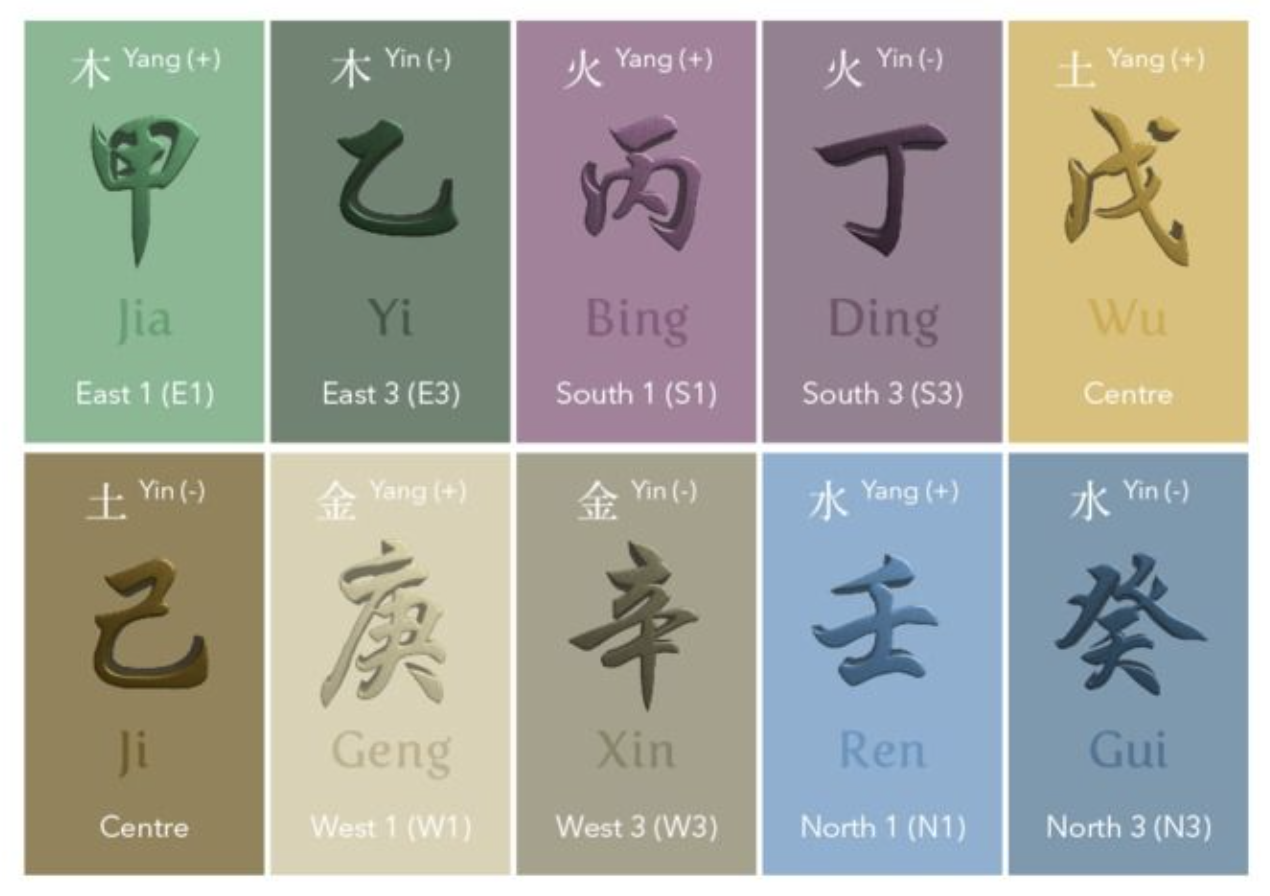
The first time you generate your own Bazi chart on a website, the whole process takes only a few seconds, and the eight characters appear clearly on the screen—a surprisingly fast experience.

It brings to mind the stories elders used to tell about consulting fortune-tellers: an elderly master wearing reading glasses, with a yellowed perpetual calendar by his side, flipping through pages, counting on his fingers, and muttering incantations, taking a long while to write down those eight characters. The whole process was shrouded in an indescribable sense of mystery.
Looking back, that sense of mystery actually stemmed from barriers to knowledge. Traditional Bazi charting was indeed a skill that required dedicated study.
Combining Heavenly Stems and Earthly Branches was just the beginning; the real complexity lay in the calculation rules behind them:
months were not divided by the first day of the lunar month, but by solar terms such as Start of Spring and Awakening of Insects;
the Day Pillar cycled every 60 days with no fixed pattern, requiring lookup in a perpetual calendar; the Hour Pillar depended on mnemonics applied to the Day Stem, with no room for error. Beyond that, calculating the Great Luck and Annual Luck all involved specific methods and steps.
In the era without computers or the internet, those who mastered this system naturally stood out. Fortune-tellers were respected largely because they possessed a symbolic system and calculation methods beyond the reach of ordinary people.
Today, the situation is completely different. Open a website, enter your birth information, click confirm, and a complete Bazi chart appears before you, complete with Great Luck, Ten Gods, Spirits, and other details—more thorough than the handwritten charts from masters back then. Those calculation rules that once took years to learn are now packaged behind a simple interface, accessible to anyone with ease.
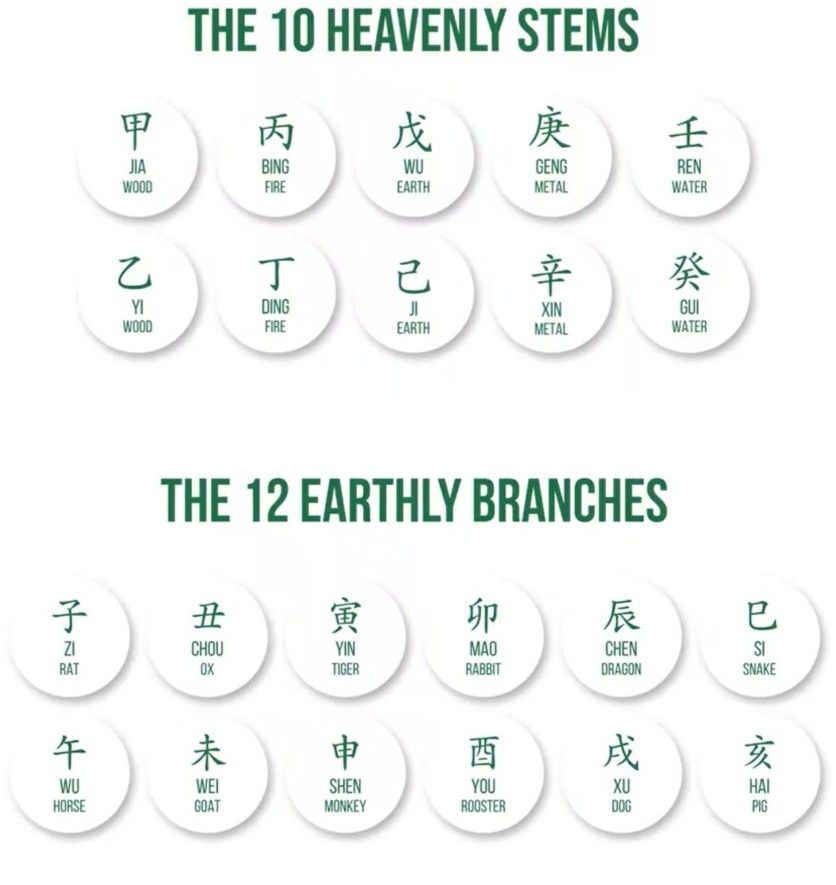
What does this change mean? It can be understood as returning the ancient knowledge of Bazi to its essence as a tool. In the past, people spent most of their energy on how to calculate; now, they can focus more on reflecting on the meaning behind these symbols. Technology handles the tedious computations, allowing people to engage with the content directly. Bazi still follows the ancient laws of Heavenly Stems and Earthly Branches—only the way to access it has changed. The once-secret calculation process has become transparent, the sense of mystery has faded, and accessibility has greatly increased.
At its core, Bazi is simply a traditional tool for self-understanding. The simpler a tool is, the more people use it, and the greater value it can deliver.
Let technology handle complex calculations, and let people focus on understanding and reflecting on the content—this division of labor is perhaps the very meaning of progress.
Comments
No comments yet, be the first to comment!